
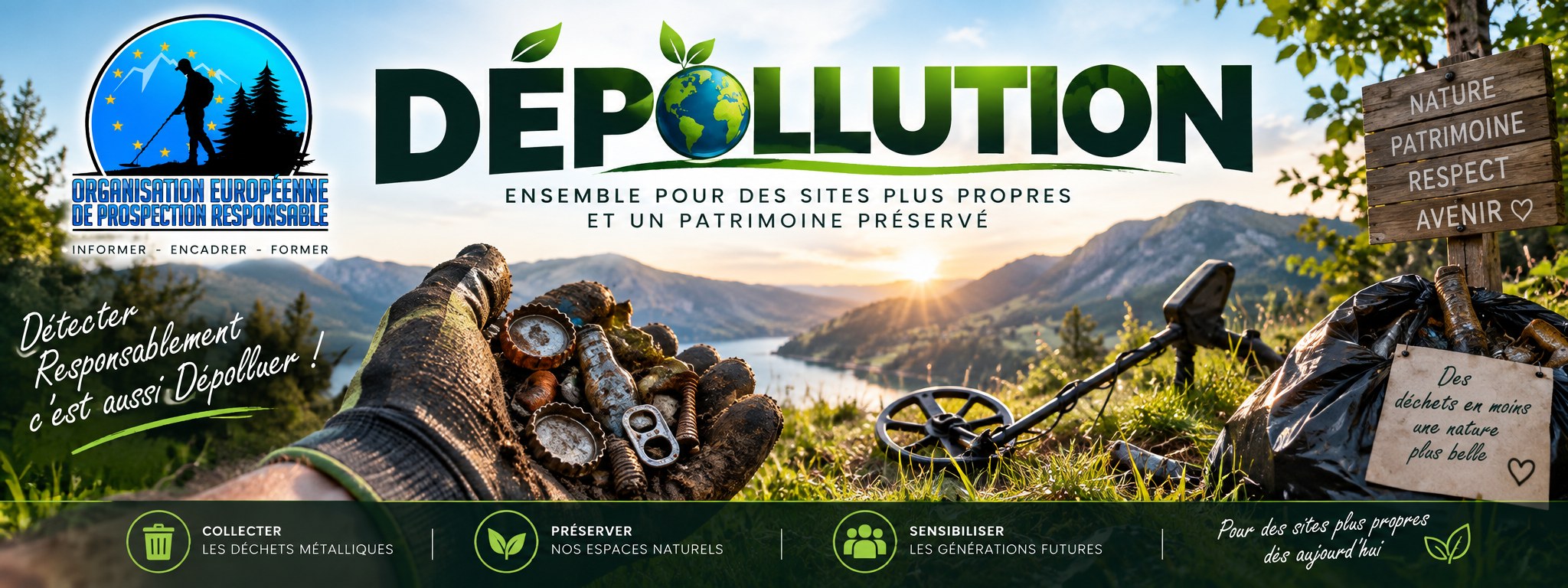
Cultivated fields, meadows, former industrial sites, land that has hosted building works, agricultural fairs or events: over the decades, this land accumulates an invisible quantity of metal waste — nails, wire, pieces of fencing, scraps of sheet metal, bottle caps, abandoned farm scrap. Once buried by ploughing or the weather, these objects become invisible to the naked eye, but they are still very much there.
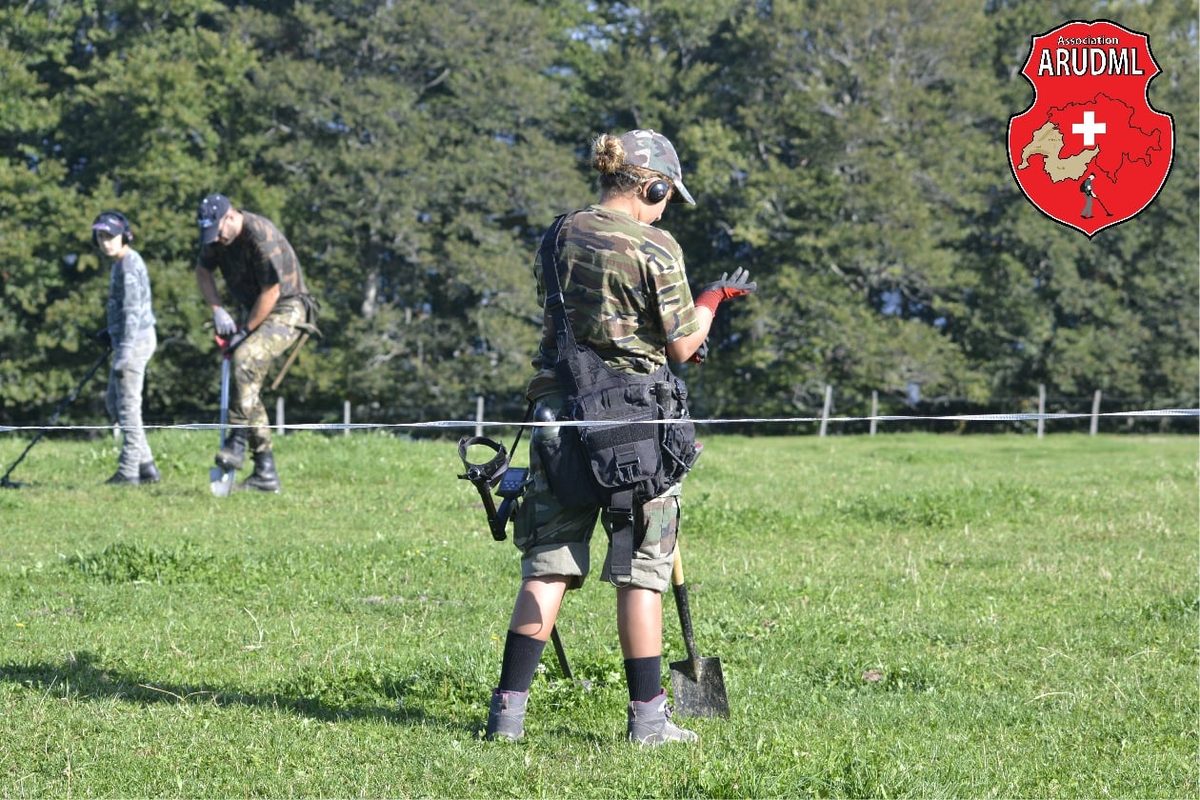
A meadow swept with a detector, metre by metre, before the animals arrive.
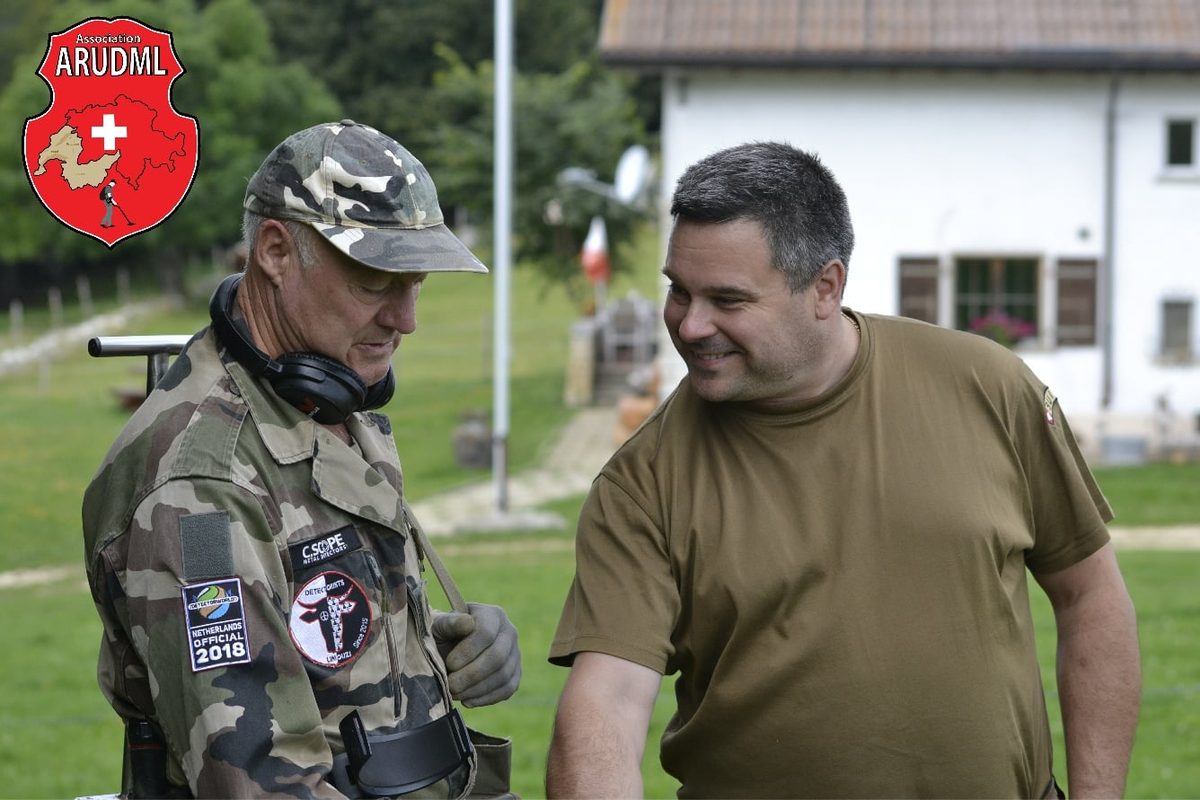
Detectorists committed to clean-up work, talking in the field.
Cattle graze without sorting what they swallow: grass, but also any sharp or pointed metal object lying on the ground. This is well documented in veterinary medicine as hardware disease (traumatic reticuloperitonitis): the metal object lodges in one of the animal's stomachs (the reticulum) and can pierce its wall, causing internal injuries and infections. In the most serious cases, the object migrates towards the diaphragm or even the heart, leading to complications that can be fatal.
To limit this risk, many farmers give their cattle a magnetic bolus (a magnet placed in the reticulum) to hold ingested metal objects and stop them piercing the stomach wall. It is a useful precaution, but it treats the consequences rather than the cause: it does not replace removing the metal waste from the meadows in the first place. Land cleared with a detector before grazing remains the best way to stop animals swallowing these dangerous objects.
A trained and supervised detectorist, acting with the permission of the landowner or farmer, can sweep a field before ploughing, sowing or grazing in order to remove buried metal waste. This genuinely helps farmers and livestock breeders by reducing the risk of damage to equipment (broken farm machinery) and to animal health (injured livestock and, ultimately, the systematic use of magnetic boluses).
This is exactly what OEPR is working for: structuring responsible recreational detecting whose usefulness goes beyond finding old objects, and making it a recognised and beneficial practice — for heritage, for farming and for the environment.
Clearing meadows of metal waste reduces the risk of internal injuries in cattle and other grazing animals.
Cleared land also limits damage to farm machinery caused by buried scrap metal.
Removing metal waste from the soil helps, in its own way, to preserve the quality of farmland.

Trained, identifiable members, ready to step in at the request of landowners and farmers.
All over Europe, volunteer detectorists are already clearing farmland, riverbanks and public spaces of accumulated metal waste. These operations, reported by the press and local television, show useful and committed metal detecting, far from the usual clichés.
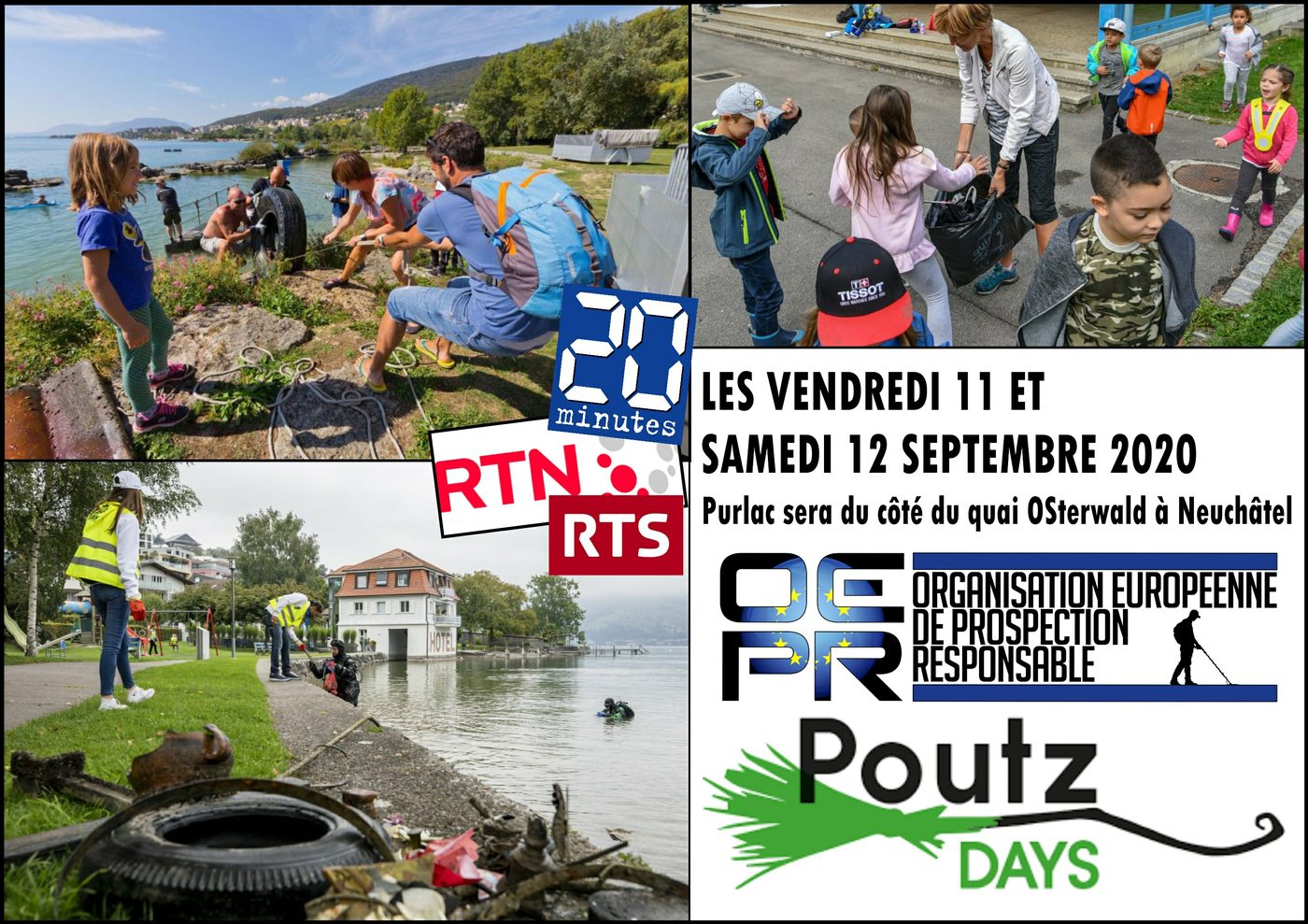
A riverbank clean-up reported by 20 Minutes, RTS and RTN.
If you would like a detectorist trained by OEPR to clear a plot before grazing, contact us: we can put you in touch with a member in your area.