
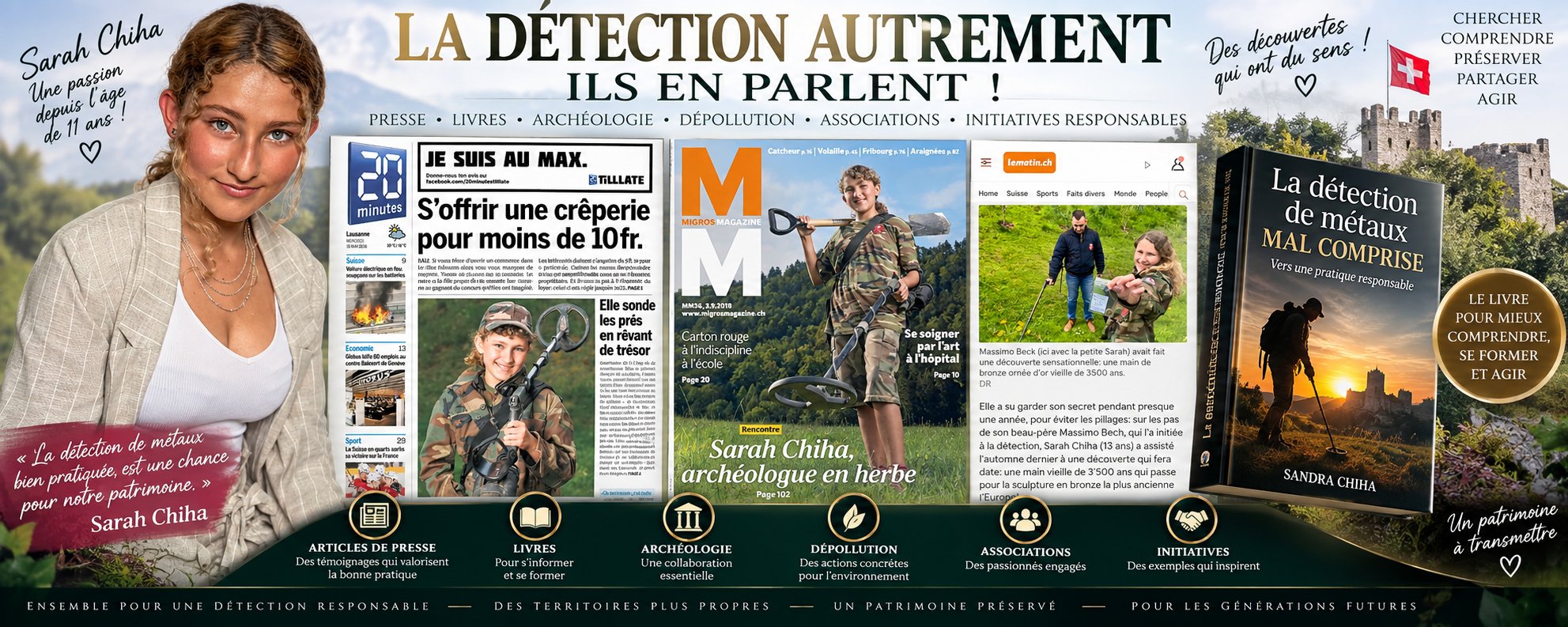
Sarah Chiha embodies another image of metal detecting: that of a passionate young woman who turns her curiosity into a commitment to heritage.
She has been detecting since the age of 11, driven by the desire to search, understand, discover and above all preserve. Her work alongside the Archaeological Service of the canton of Fribourg shows detecting carried out in a spirit of collaboration and respect for heritage.
Alongside Massimo Beck, over five years of collaboration with the Archaeological Service of the canton of Fribourg, Sarah helped discover seven archaeological sites — a remarkable contribution that shows, over time, the value of detecting done rigorously and in constant contact with the competent authorities.
For Sarah, a find is not just an object dug out of the ground. It can be a piece of a historical puzzle, helping archaeologists better understand our past.
Her story sends a clear message: detecting can be practised with responsibility, respect and passion, in collaboration with professionals when a find is of archaeological interest. Sarah wants to keep showing this practice in a new light: that of a generation that does not only want to find, but to understand, protect and pass on.
It was alongside her stepfather Massimo Beck that Sarah Chiha, then 13, witnessed an extraordinary archaeological find: a bronze hand decorated with gold, around 3,500 years old, discovered near Prêles in the Bernese Jura, Switzerland. According to specialists, no comparable object had ever been recorded in Switzerland or neighbouring countries — a piece of priceless historical value.
For almost a year, the find was kept secret to avoid any risk of looting, while archaeologists from the canton of Bern studied and secured the site. This discretion and exemplary collaboration with the archaeological authorities perfectly illustrate what OEPR stands for: detecting that respects heritage, hand in hand with professionals.
Congratulations to Sarah Chiha, Sandra Chiha and Massimo Beck on this exemplary find.
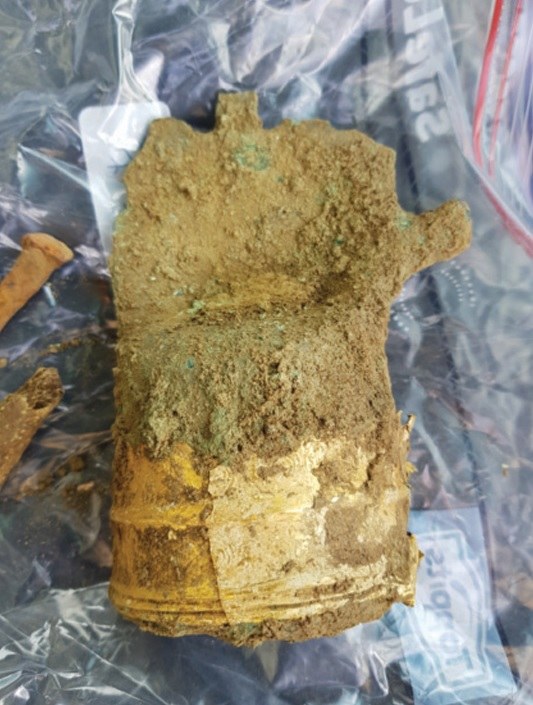
The Prêles hand as it was uncovered, before restoration.
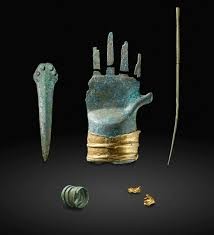
The gold-decorated bronze hand, the dagger and the associated rings, after restoration.
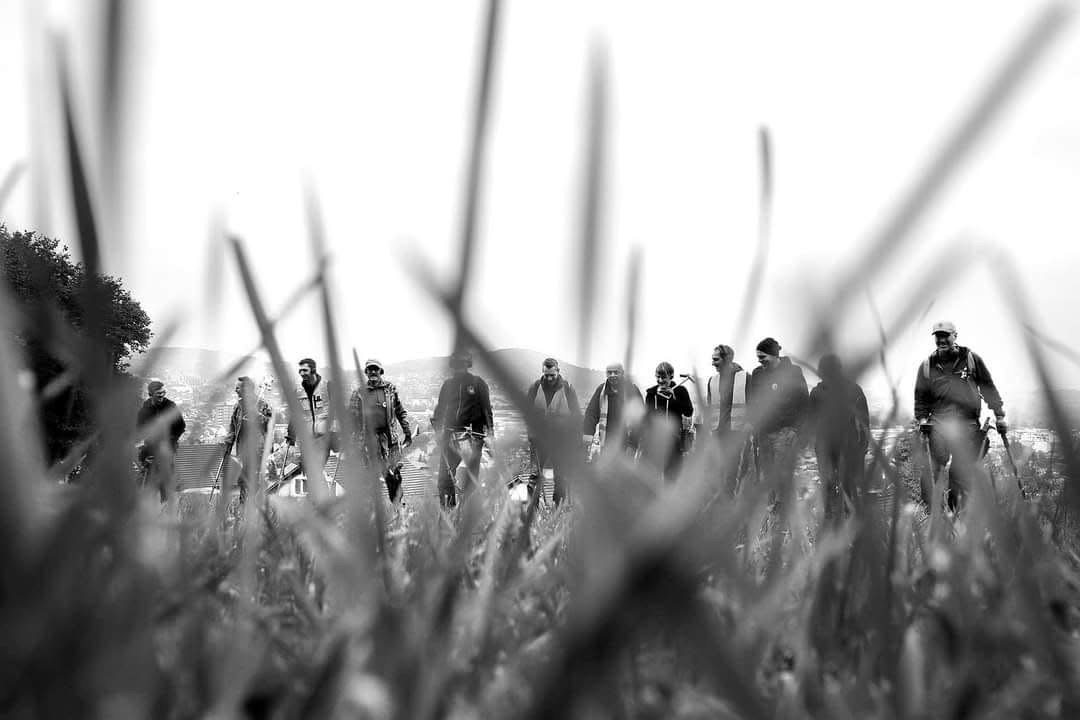
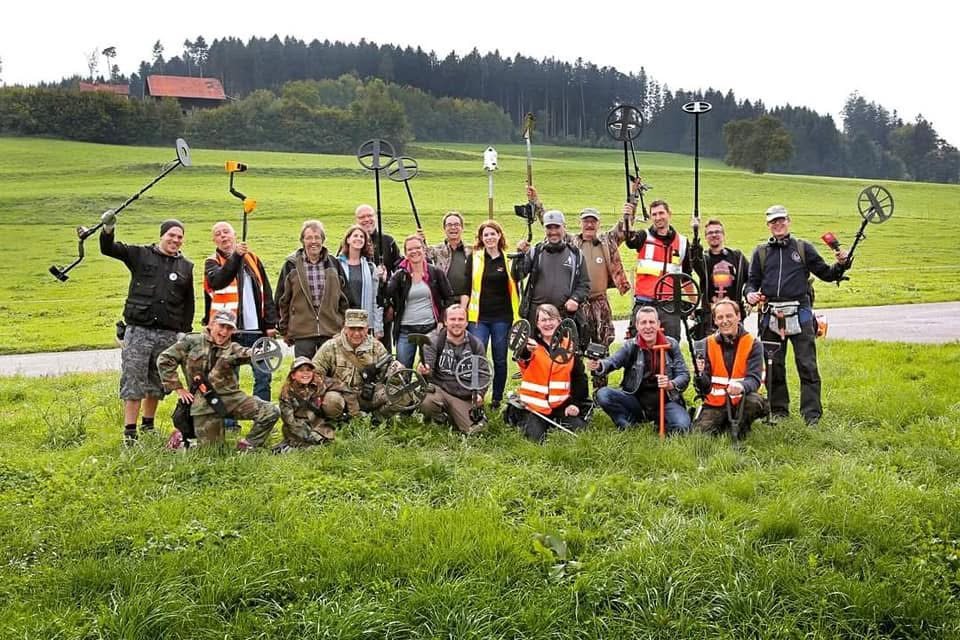
OEPR had the great honour of being invited to Wilen bei Wil, in the canton of Thurgau, together with twenty-five other detectorists from all over Switzerland, to take part in a prospecting campaign to piece together the history of the municipality. A collaboration carried out hand in hand with the local authorities and archaeologists, as part of a book project on the town's history.
This memorable day, rich in finds, perfectly illustrates what OEPR stands for: metal detecting serving historical research, in a climate of trust and mutual respect between prospectors, historians, archaeologists and local authorities.
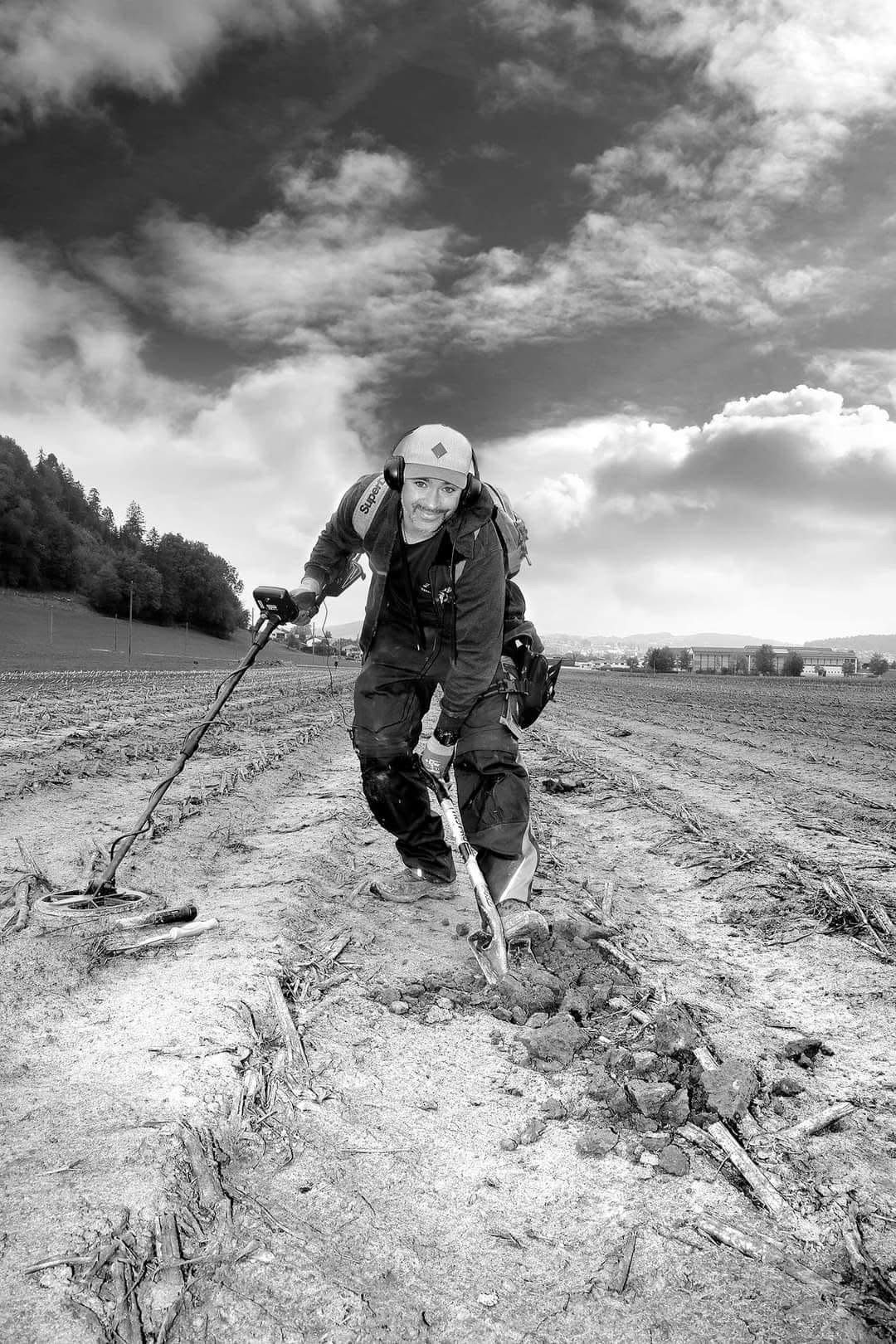
Methodical prospecting, carried out rigorously in the field.
The twenty-five detectorists from all over Switzerland, gathered for the occasion.
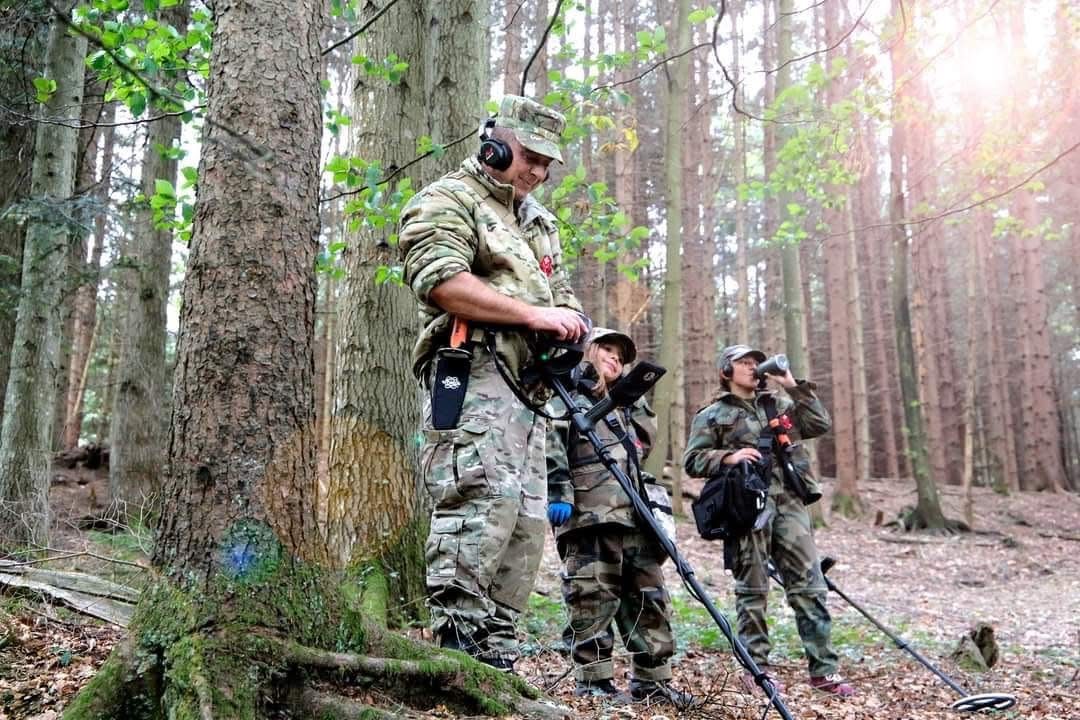
Prospecting in the woods, respecting the site and its surroundings.
We sincerely thank all the officials who placed their trust in us and made this day possible:
This collaboration shows once again that open-mindedness and mutual respect between prospectors, historians, archaeologists and local authorities can lead to great constructive projects for everyone's benefit — and, on this day, to finds that will enrich a book on the town's history.
A moment of exchange with the archaeological and municipal representatives.
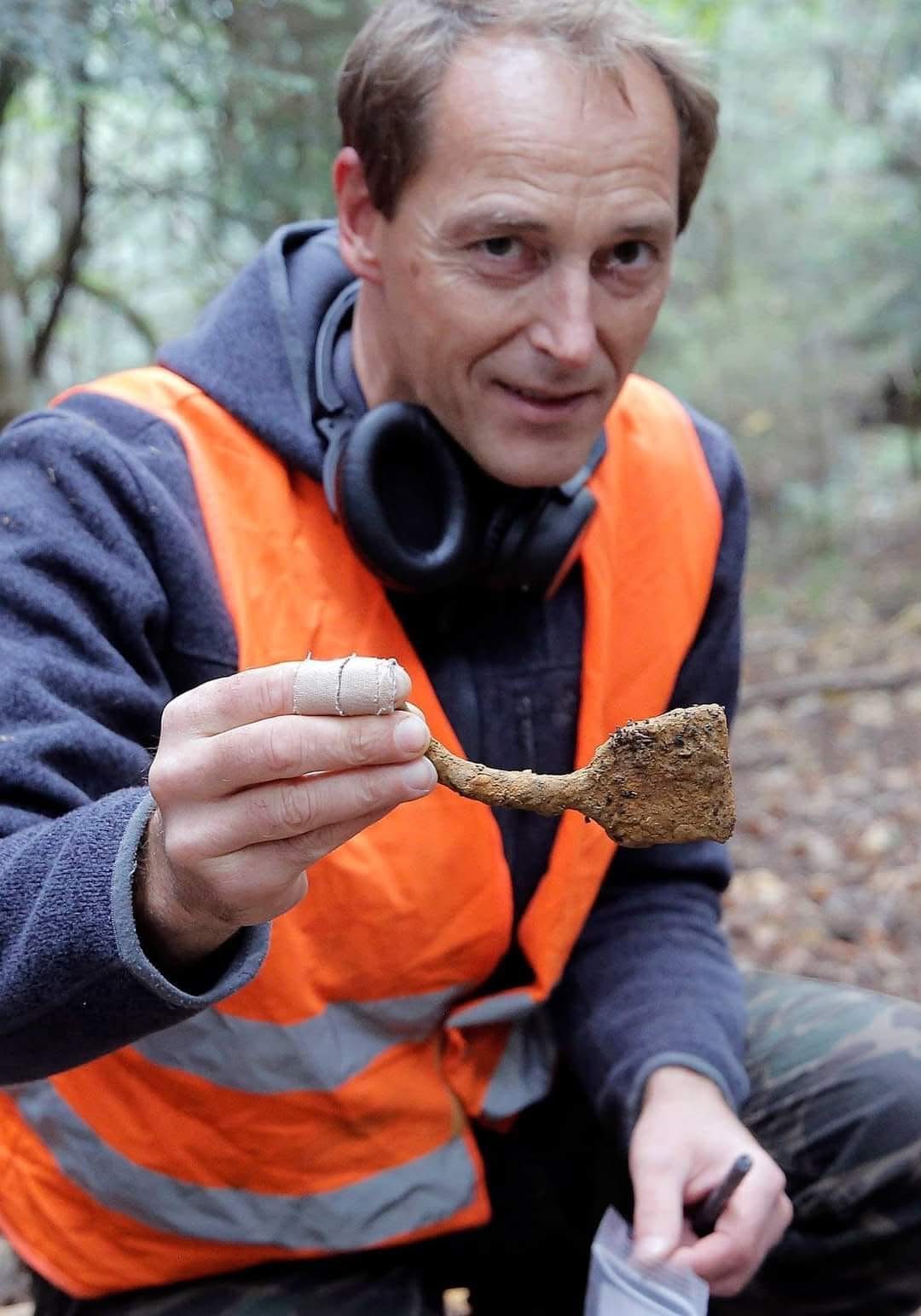
One of the finds made during the day.
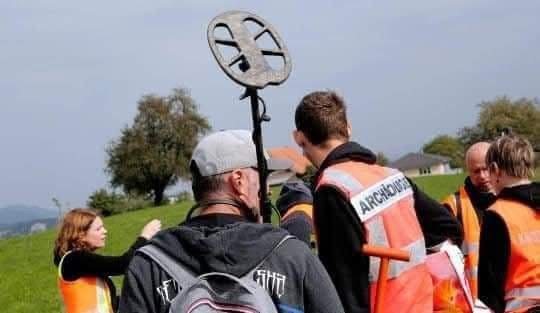
Talking in the field with the cantonal archaeologist of Thurgau.
Sarah Chiha's story and the discovery of the Prêles hand were covered by several Swiss media, including 20 Minutes and Migros Magazine, helping to show metal detecting practised with curiosity, respect and in collaboration with archaeologists.
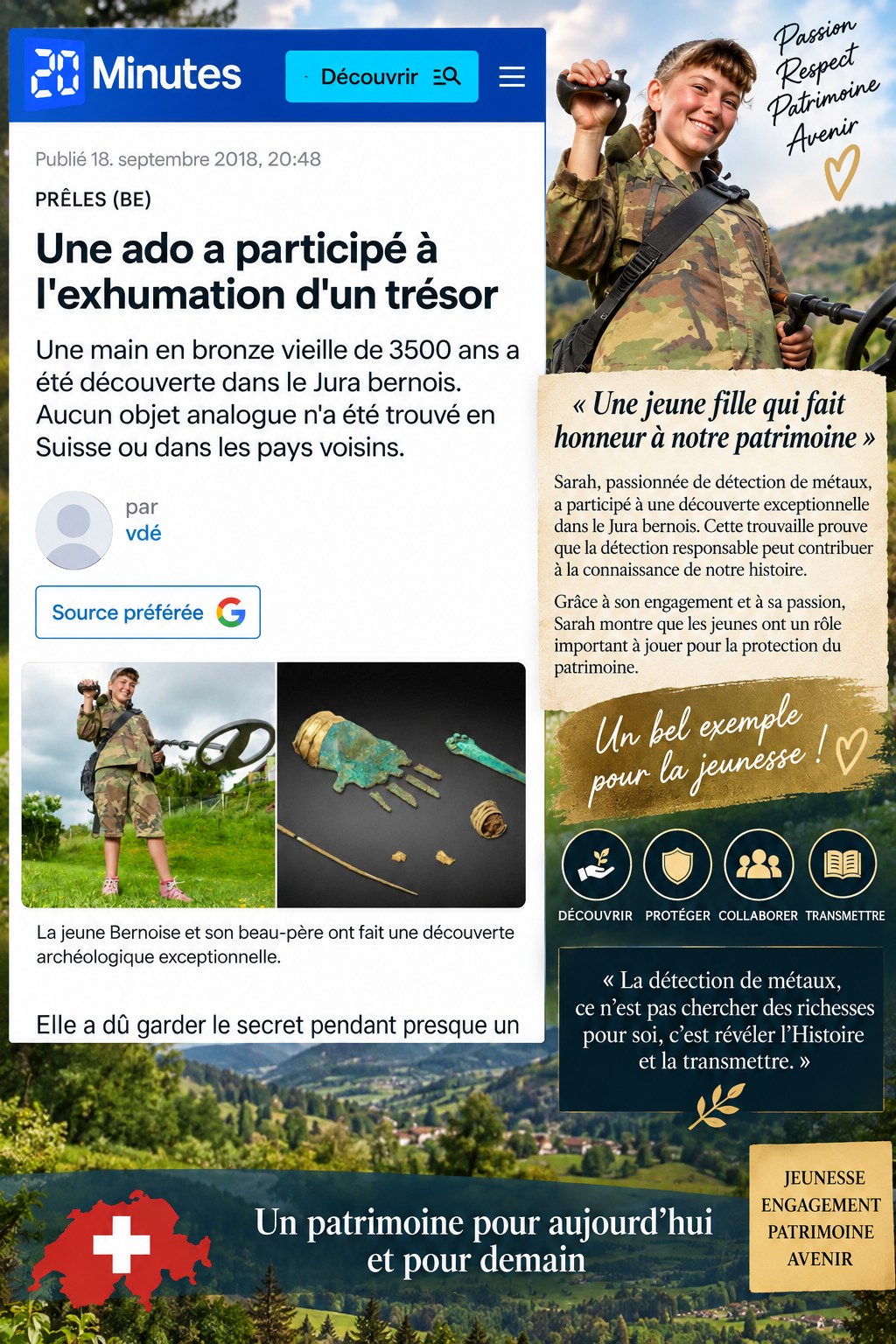
Sarah Chiha's story covered by several Swiss and French media.
Written by Sandra Chiha, the book « Détection de métaux Mal Comprise : Vers une pratique responsable en France » (in French) offers keys to understand, learn and act with respect for heritage and the law. Available as an e-book, paperback and hardcover.
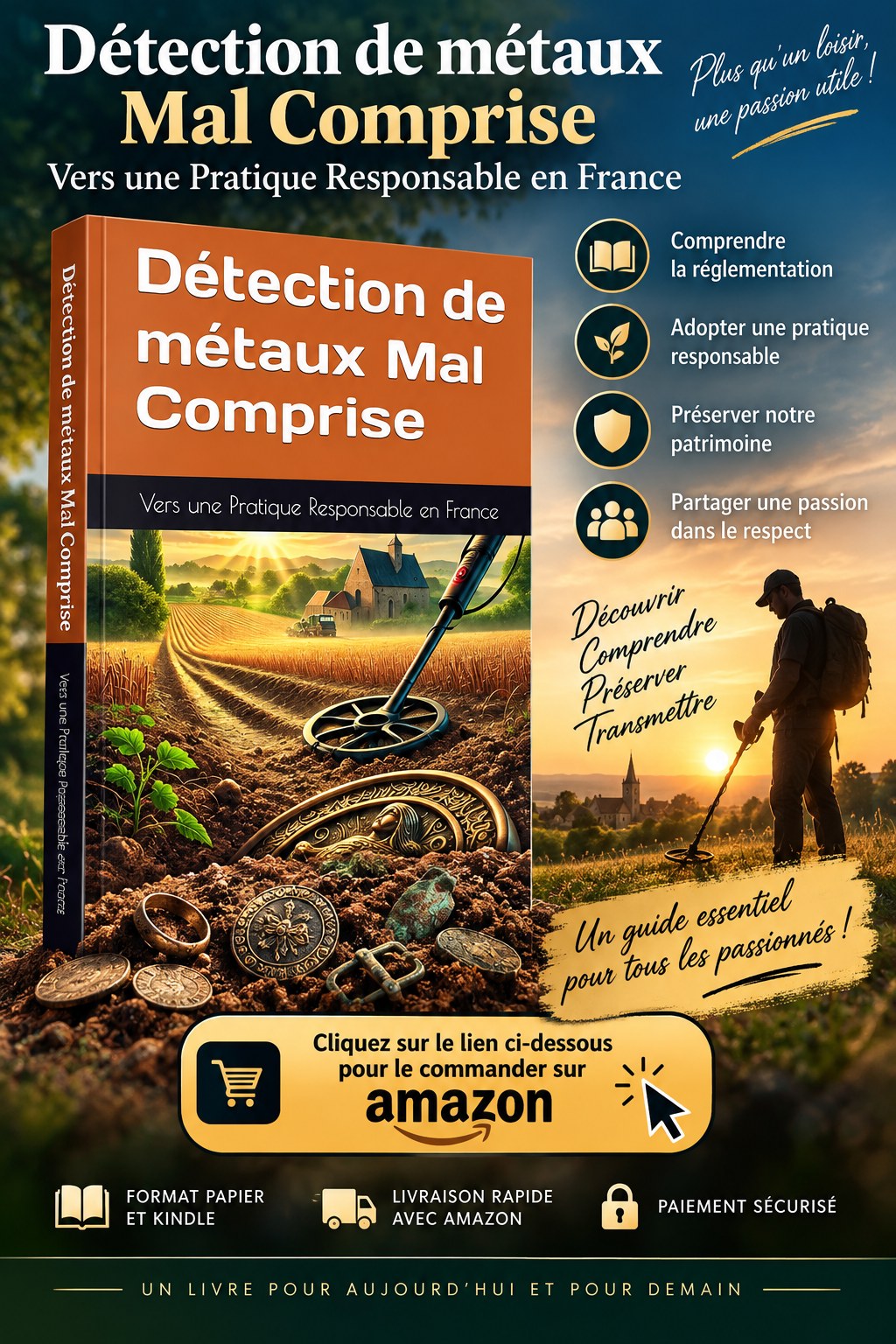

Like Sarah, join a community of prospectors who combine passion, respect for heritage and collaboration with archaeologists.